Why the Army can’t build its Pacific network like the one in Europe
Distance, sparse infrastructure, and contested communications force a different approach to connectivity.

Distance, sparse infrastructure, and contested communications force a different approach to connectivity.

Systems that can work independently while still being part of a unit are critical to carrying out multi-domain operations.

Lightning Surge exercises are turning soldier feedback on NGC2 into operational software changes in days, not years.

"We believe that AI agents, [specifically the] new generation of AI capabilities could serve better and more efficiently the clients and the end users," TII CIO Chawki Kasmi told Breaking Defense

Founded to bring NATO closer to Ukraine, the year-old Joint Analysis, Training, & Education Centre (JATEC) is also tasked to lead the alliance’s migration to AI and secure cloud, starting with the newly announced Google contract.
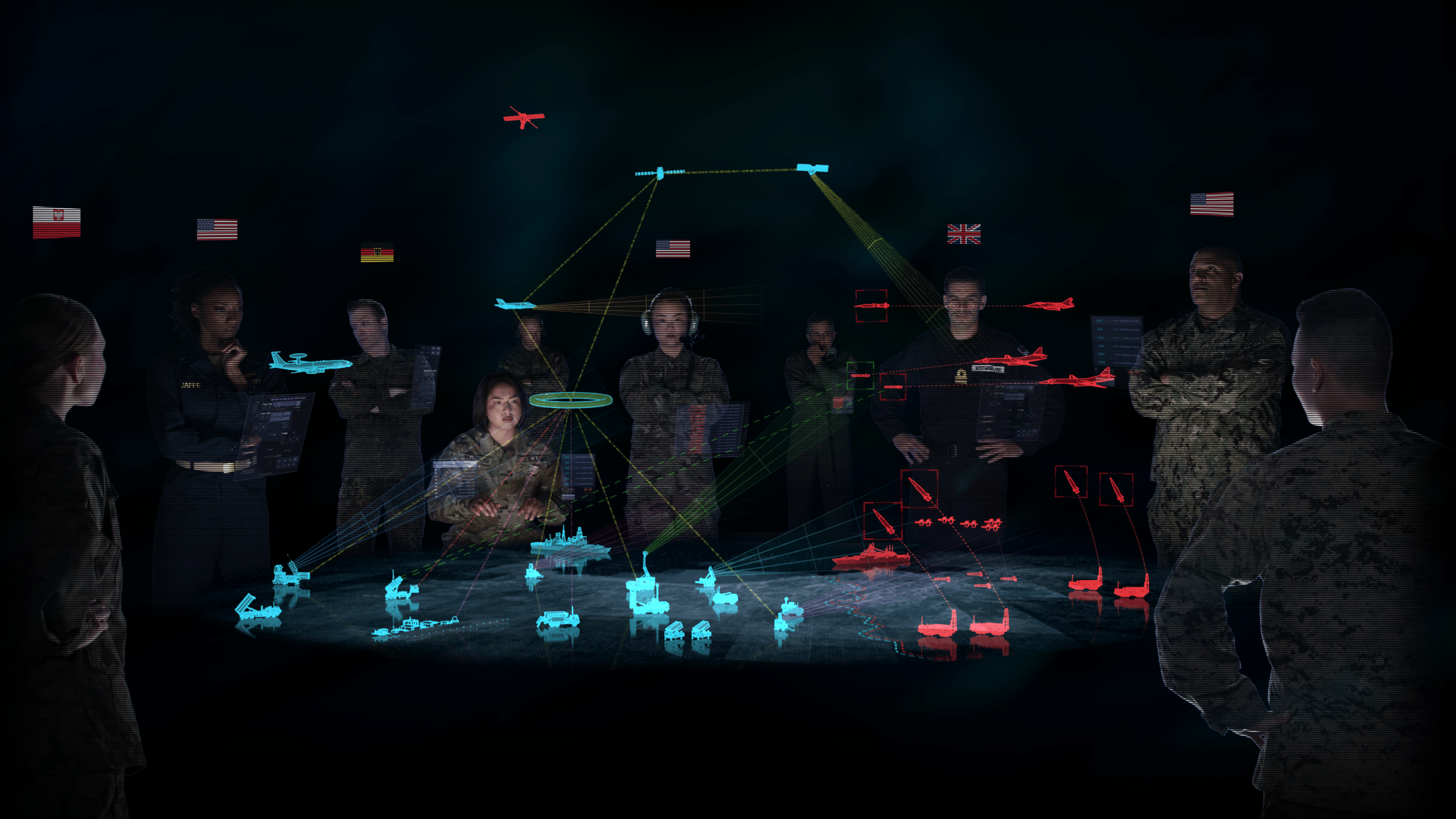
“We have the capacity to….increase our production by two, three or even four times what we do today," said Kenn Todorov, vice president and general manager of C2 and weapons integration at Northrop Grumman.

“I predict that what you're going to see is something that is far more… limited, both in terms of the number of threats that are feasibly able to be stopped, and also in terms of the area that [can be] defended against,” said Tom Karako with CSIS.
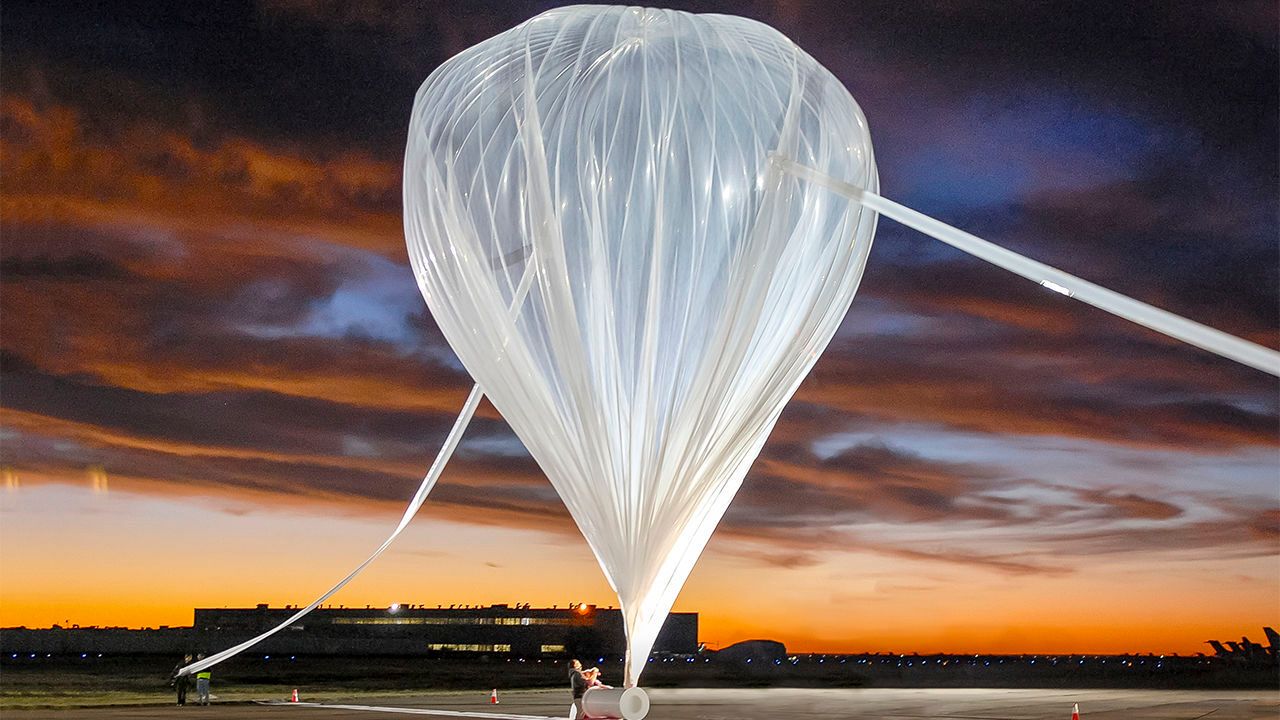
"We're going to launch in multiple waves, demonstrating what a phased use of these might look like over time," said Andrew Evans inside the Army’s intel shop.

Onshoring and investment in military-specific semiconductors anchor a cornerstone of the defense industrial base.

The satellites will need to be defended "not only from adversary kinetic or local orbital issues, but also from cyber attacks, electronic jamming and laser attacks," said Patrick Binning, a professor at the Johns Hopkins Whiting School of Engineering.

“When I look at irregular warfare and its utility, for it to be effective ... it had to be much bigger than just a special operations activity," CSIS's Seth Jones told Breaking Defense.
"We spent the last week training the AI models to recognize what we would call hulks out in the impact area — old vehicles that we shoot at ...," said Maj. Gen. Patrick Ellis, commander of 4th Infantry Division.
The State Department's damning critique argues that, if enacted, the draft law would imperil cooperation on "space weather, remote sensing, space exploration, spaceflight safety, space debris mitigation and remediation, [and] communications."

Since its founding 50 years ago, the European Space Agency has shunned involvement in military space activities.